
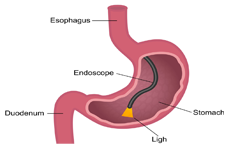
Gastroscopy (or endoscopy) is an examination of the oesophagus (gullet or food pipe), stomach and duodenum (upper part of the small bowel) using a flexible telescope called a gastroscope.
READ MORE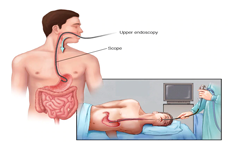
Endoscopy is a nonsurgical procedure used to examine a person's digestive tract. In addition, your doctor may use an endoscope to take a biopsy (removal of tissue).
READ MORE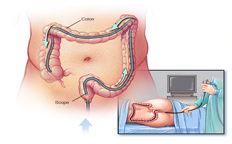
A colonoscopy is an exam used to detect changes or abnormalities in the large intestine (colon) and rectum. Polyps or other types of abnormal tissue can be removed.
READ MORE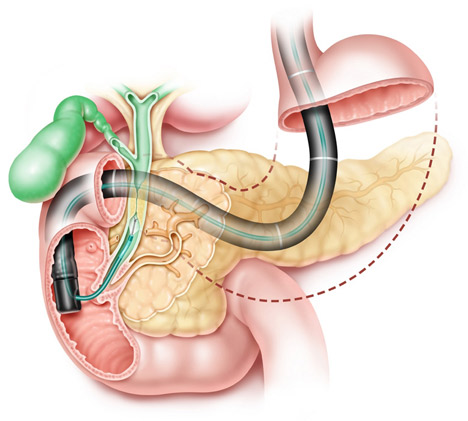
Endoscopic retrograde cholangio-pancreatography (ERCP) is a diagnostic test to examine diseases of the liver, bile ducts and pancreas. There is a low incidence of complications.
READ MORE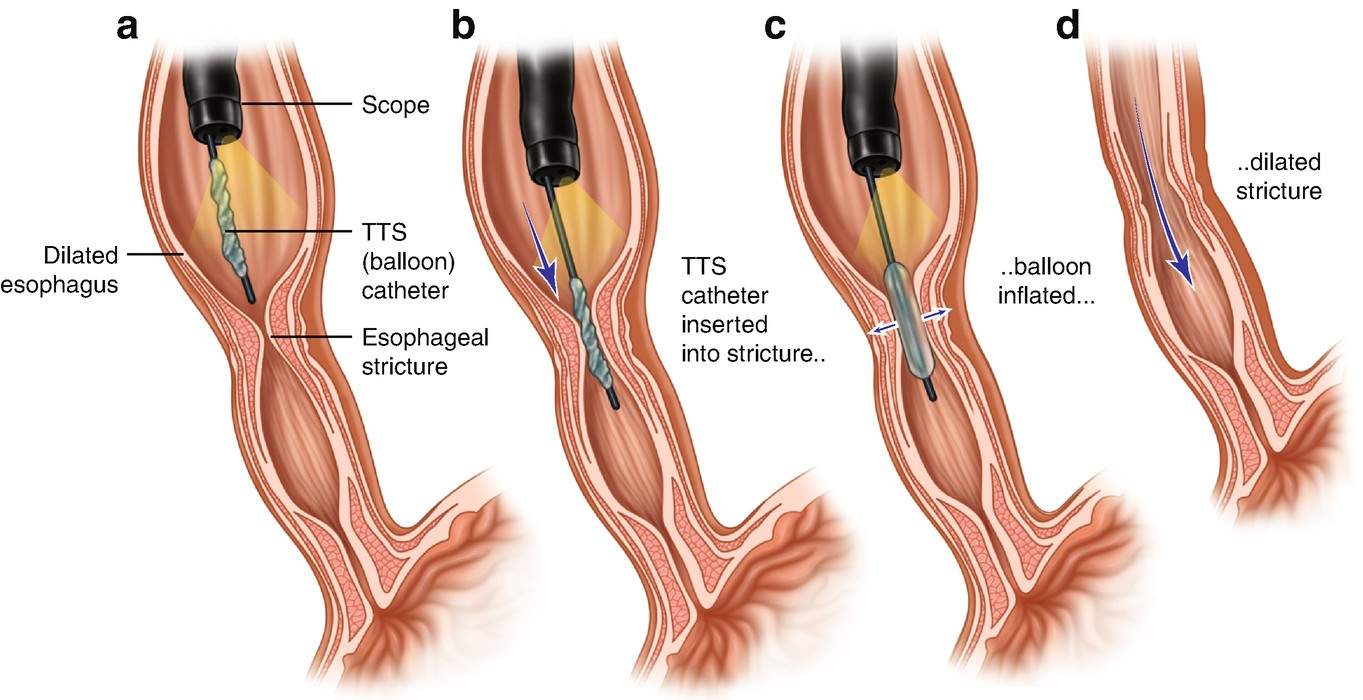
The esophagus is the tube that brings food and liquids from your mouth to your stomach. "Benign" means it's not cancerous.
READ MORE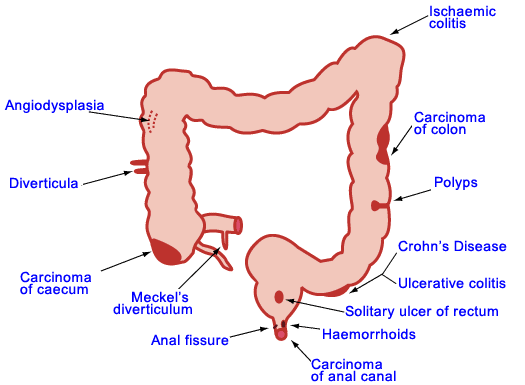
Your doctor will take a medical history, including a history of previous bleeding, conduct a physical exam and possibly order tests.
READ MORE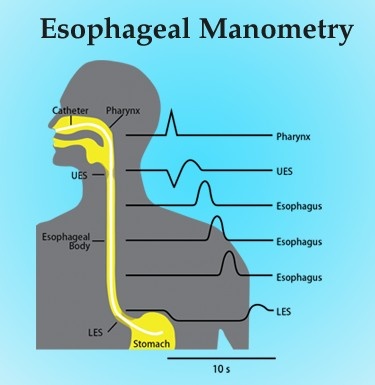
Esophageal manometry is a test that shows whether your esophagus is working properly. The esophagus is a long, muscular tube.
READ MORE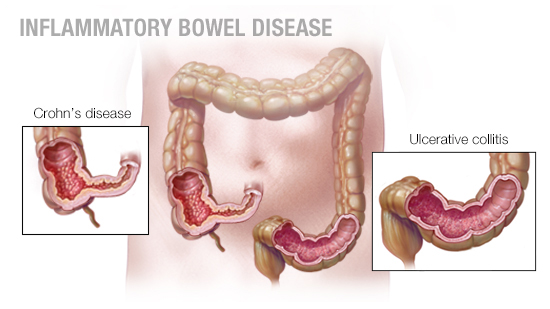
Your doctor will likely diagnose inflammatory bowel disease only after ruling out other possible causes for your signs and symptoms.
READ MOREForeign body retrieval is the removal of objects or substances that have been introduced into the body.
READ MORE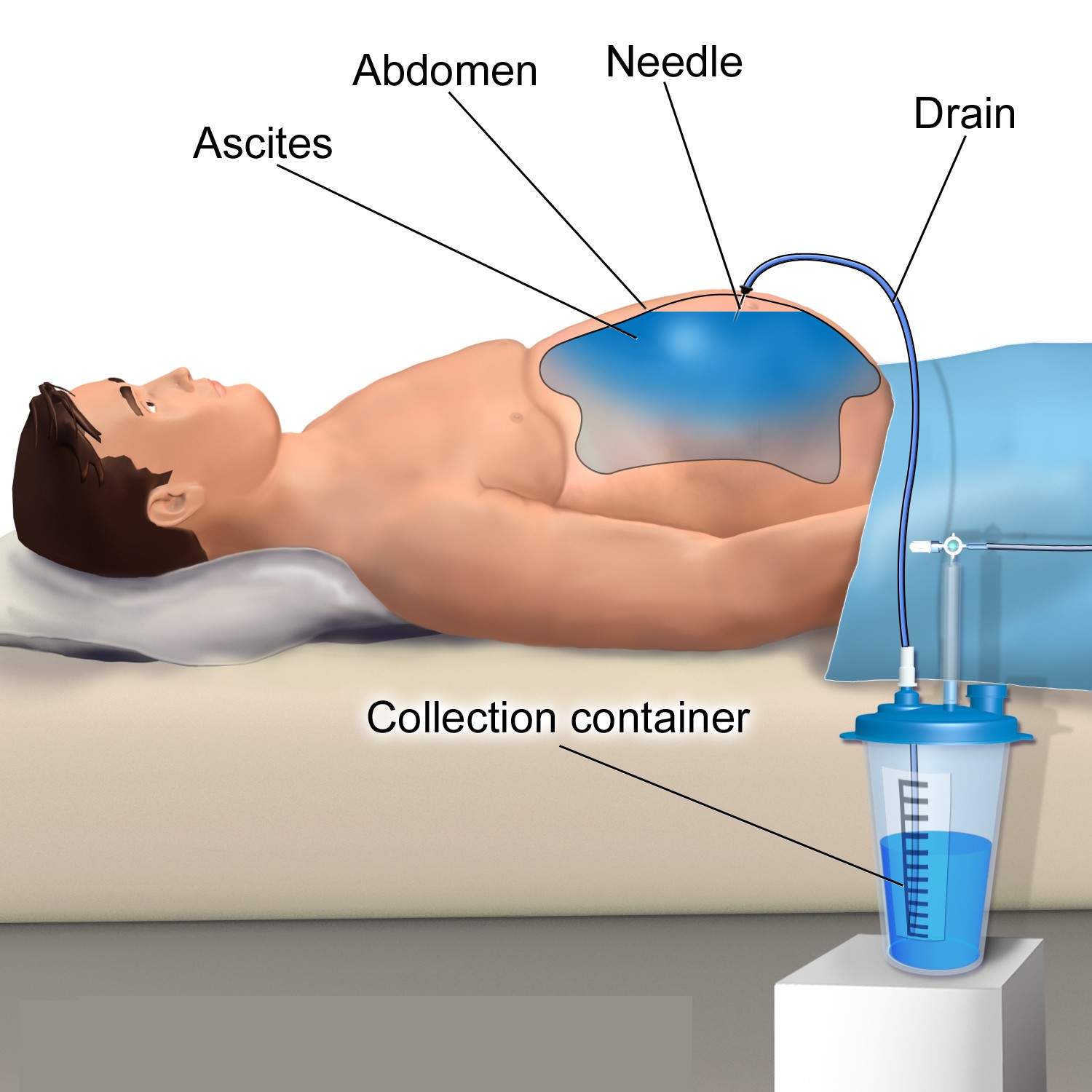
An ascitic tap is a medical procedure where a needle is used to drain fluid that is trapped in an internal body.
READ MORE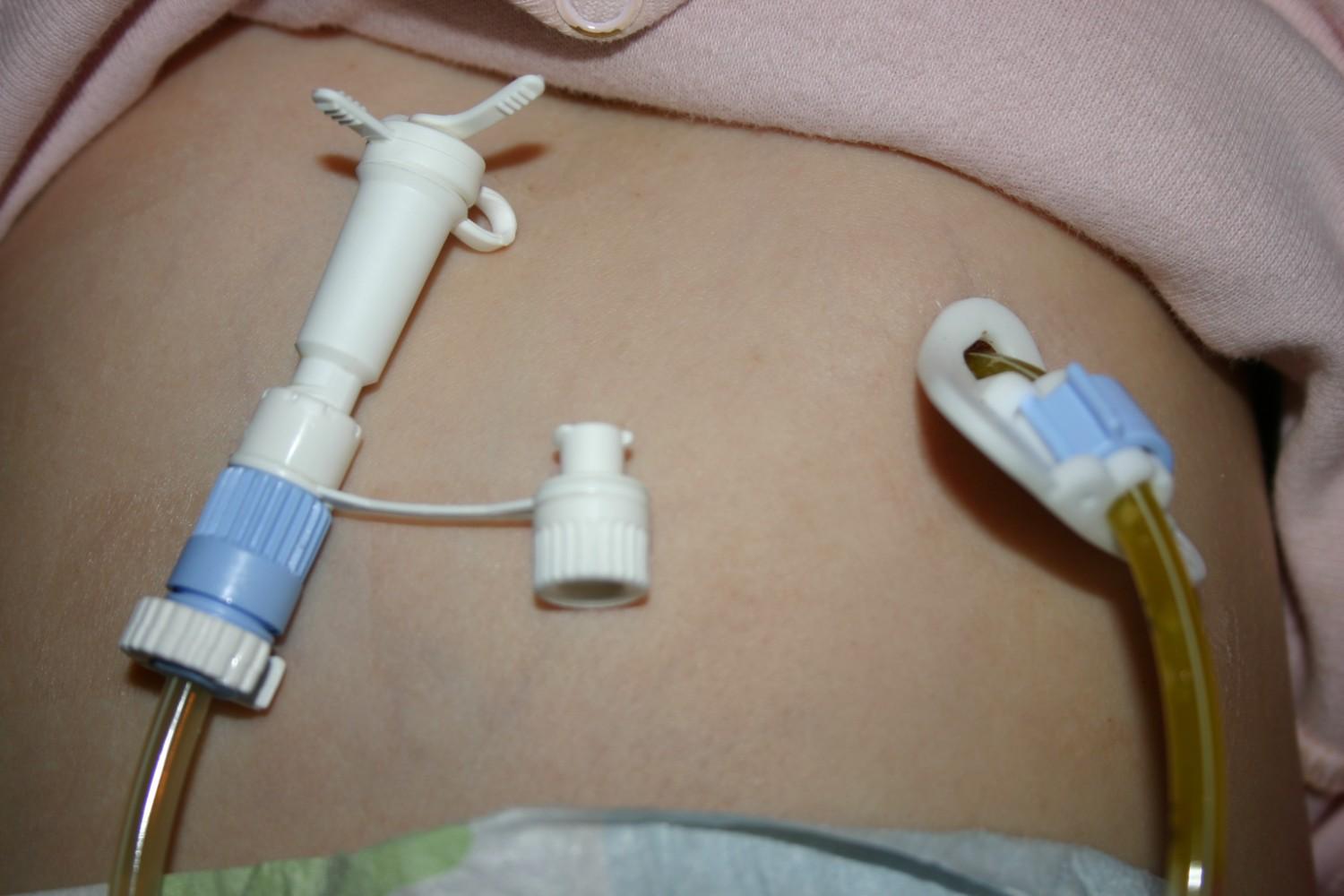
Stands for percutaneous endoscopic gastrostomy, a surgical procedure for placing a feeding tube.
READ MORE
FibroScan test results are always used in conjunction with other clinical data, laboratory test results.
READ MOREFunctional GI conditions are due to a combination of extra sensitivity of the GI tract, with changes in the motility of digestive system.
READ MORE
Achalasia cardia is a primary esophageal motility disorder characterized by aperistalsis and incomplete.
READ MORE